
RESULTS – YEAR I - 2025
In the first year of the ALEX-LUI project, the research team focused on building a solid foundation for the subsequent stages of investigation. This phase included both fieldwork and the establishment of a complex network of local collaborators, essential for understanding the realities of Caracal and the surrounding rural areas.
1. Fieldwork and documentation of the local situation
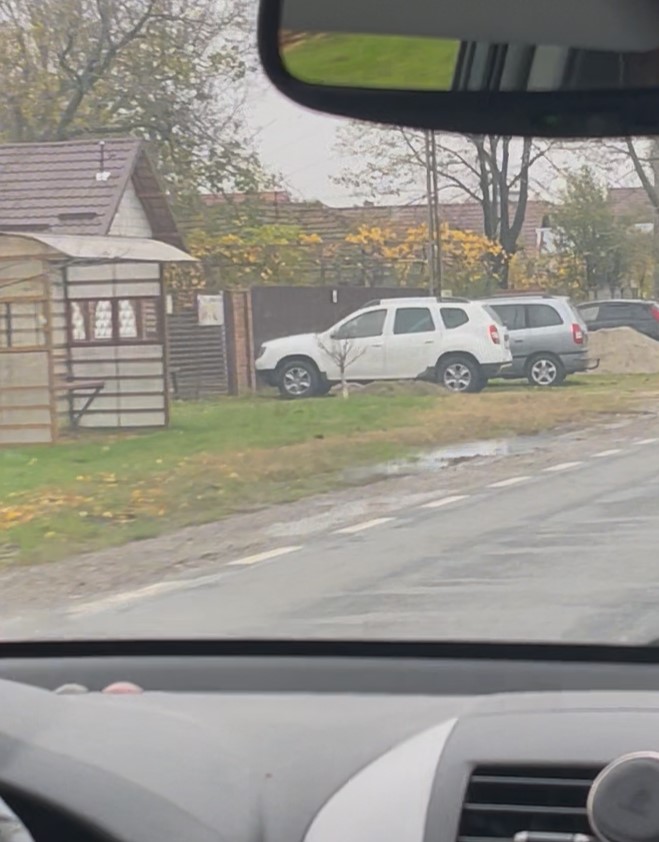
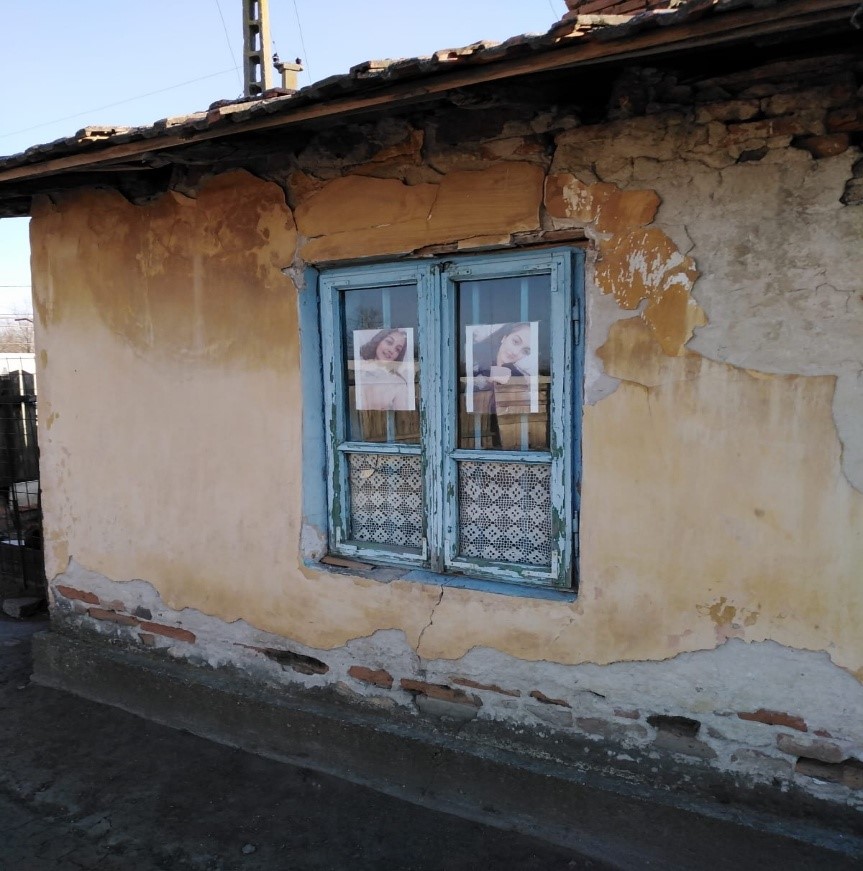
The team carried out an extensive documentation campaign in Caracal and the nearby villages, aiming to directly observe infrastructural conditions, mobility dynamics, and the vulnerability factors that particularly affect girls and women. This stage enabled the preliminary mapping of sensitive areas, the identification of potential risk routes, and a deeper understanding of the social context that contributes to the formation of vulnerabilities.
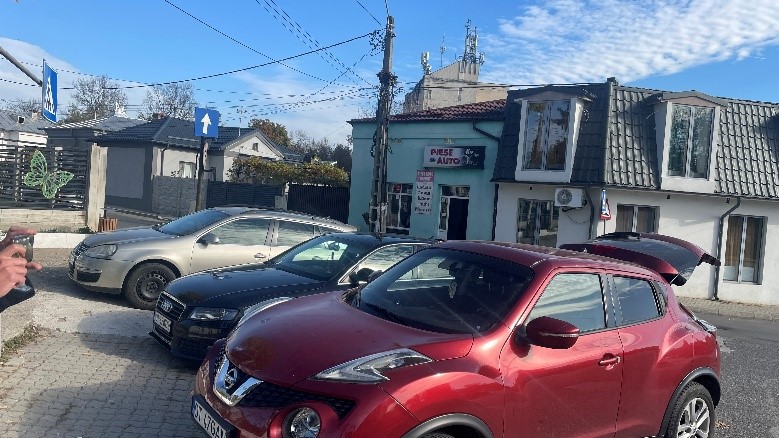
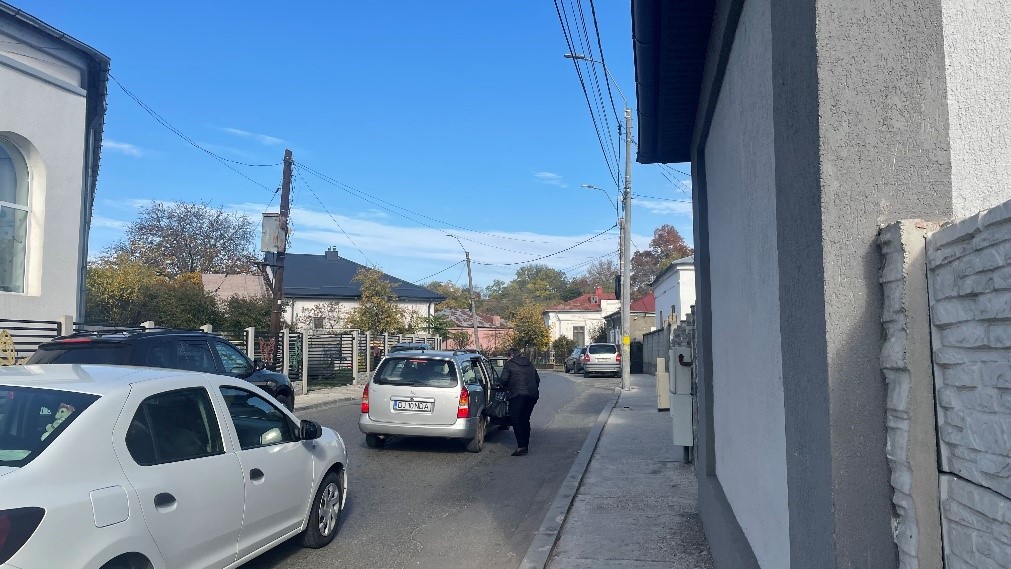
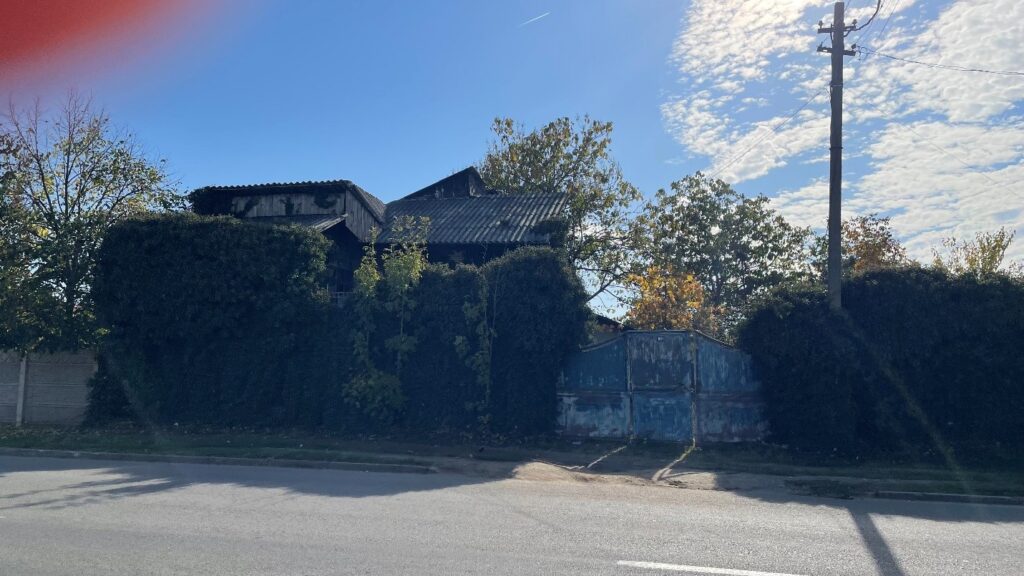
The place where people hitch rides to the villages surrounding the town of Caracal, and the location where Luiza Melencu was last seen on surveillance cameras.
2. Building a Local Research Network
In order for the analysis to accurately reflect the reality of the communities involved, a research network was established, bringing together:
- local communities from Caracal and the surrounding rural areas,
- schools, through teachers and administrative staff; schools in Dobrosloveni, Deveselu, and the Ioniță Asan and Mihai Viteazu high schools in Caracal were visited,
- the local police in Caracal,
- private individuals with an important role in the community’s collective memory,
- relevant civic and institutional actors: activists, teachers, neighbors of the perpetrator, relatives of the victims, and people within their extended social circles.
This network became an essential channel for accessing data, understanding local perceptions of safety, and identifying potential intervention points.
3. Organization of Focus Groups and Interviews
During the first year, focus groups and individual interviews were conducted with representative local actors: parents, teachers, vulnerable persons, local authorities, community members, and users of public transport.
These discussions provided valuable information on:
- the mobility experiences of girls and women,
- areas perceived as unsafe,
- social and institutional barriers to reporting incidents,
- structural vulnerabilities in the transport infrastructure,
- existing community protection mechanisms or the lack thereof.
4. Statistical Documentation of Caracal and Surrounding Localities
Another important pillar of the project’s first year was the detailed statistical documentation of Caracal and the rural settlements surrounding it. This stage aimed to understand the socio-demographic and infrastructural profile of the region, as well as to identify indicators that may contribute to the vulnerability of girls and women in mobility.
The team analyzed data from:
- official statistics (National Institute of Statistics, censuses, local administrative data),
- documents issued by local authorities regarding public transport, community safety, and infrastructure,
- educational databases, to understand student mobility and the routes they use,
- police reports concerning cases of violence, disappearances, crime levels, and high-risk zones,
- economic and local development analyses, to assess structural pressures influencing migration, social precarity, or forced mobility.
This statistical documentation made it possible to:
- develop a demographic profile of the communities involved,
- understand the degree of access to public transport,
- identify risk indicators such as school dropout, high migration rates, lack of safety infrastructure, transit zones, or peripheral areas with criminogenic potential,
create a preliminary vulnerability map that correlates statistical data with field observations.
5. Press Documentation on the Caracal Case
A database of more than 2,000 press articles, TV broadcasts and YouTube documentaries was compiled. These were grouped thematically and temporally. The following elements were analysed: the chronology of events, environmental details that guided the research team’s fieldwork, and relevant information about the spatial structure of the perpetrator’s private property. All of these materials were grouped into categories of vulnerabilities:
- vulnerabilities of the physical space (isolation, reduced visibility),
- vulnerabilities of mobility (informal transport),
- institutional vulnerabilities (delayed response),
- social vulnerabilities (young, unprotected victims),
- community vulnerabilities (low cohesion),
- cultural vulnerabilities (the normalization of hitchhiking as a mobility practice).
Structural consequences
The Caracal case led to:
- legislative changes concerning intervention without a warrant,
- reforms within the 112 emergency system,
- the reconfiguration of several internal police procedures.
For the research project, this case stands as clear evidence that perceived safety depends fundamentally on institutional trust.
6. The Geography of Fear: Exploring Christiania and the Former Prison Town of Horsens – Between Counterculture, Carceral Memory and the Perception of Safety in Denmark
During the working visit to Christiania in Copenhagen in June 2025, five interviews were conducted focusing on perceived safety among tourists and locals, as well as the role of community policing in this neighbourhood. Historically, Christiania represents a classic example of counterculture – a place inhabited by members of the hippie movement, with all its characteristics (rock music, drug sales, violent events, even shootings). Through direct interaction with the space, we documented how such a neighbourhood managed to become safe and attractive to tourists, thanks to community-based suprastructures developed beyond the official regulations of the Kingdom of Denmark.
7. What lessons can we learn and potentially apply in communities such as Caracal and its surroundings?
A possible conceptual parallel—although the two places are very different—is related to the relationship between community involvement and the perception of safety.
- Christiania, despite its reputation as a “dangerous” place, shows through visitors’ experiences that a community can create its own mechanisms of safety and social cohesion when residents are actively engaged with their environment.
- Caracal, on the other hand, became a symbol of a context where the trust between community, authorities and institutions was severely challenged, although young people consider Caracal to be a safe town. Of course, perceptions are ambivalent — girls feel less safe in public spaces than boys.
A conceptual similarity:
both cases show how essential the community’s role is in shaping both the perception and the reality of public safety.
8. How could a model inspired by Christiania be applied to Caracal?
Naturally, the Christiania model cannot be directly transferred — the cultural, historical and social context is entirely different. However, certain principles could be valuable
- Community involvement in creating safety
Christiania functions on the basis of collective responsibility.
In Caracal, a participatory model could mean:
- community-based prevention and civic vigilance programs,
- ongoing dialogue between residents and authorities,
- encouraging the rapid reporting of risky situations.
- Openness, transparency, and communication
In Christiania, rules are openly discussed and visible to everyone.
Applied to Caracal, this would mean:
- clear and transparent police procedures,
- informing the public about intervention mechanisms,
- rebuilding trust through continuous communication.
- Public spaces that encourage cohesion rather than isolation
Christiania places strong emphasis on culture, creativity and social interaction.
In Caracal and the surrounding rural areas, revitalizing community spaces could:
- increase social visibility,
- reduce feelings of neglect or isolation,
- strengthen social ties.
- Civic education and empowerment
Safe communities are those in which people feel they have a role.
Applied to Caracal, this could mean:
- local campaigns on how to respond to risky situations,
- safety training for young people,
- encouraging residents to participate in local initiatives.
- Project dissemination while in Copenhagen
The project theme was disseminated to a wider audience through the reporter’s Facebook channel, Typer i København
.https://www.facebook.com/photo.php?fbid=749565247638524&set=pb.100077551665535.-2207520000&type=3

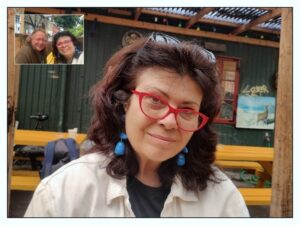
Sorina
… is a professor at the University of Timișoara in Romania.
I struck up a conversation with her at Café Woodstock in Christiania:
“I’ve come here to Christiania to get a sense of the atmosphere. I’m working on a three-year research project that will investigate the circumstances surrounding feelings of insecurity in different urban environments… and Christiania has a reputation out in the world for being an unsafe place!
But I have to say that I’ve felt completely safe in the couple of days I’ve been here… Christiania does not live up to its reputation as a dangerous place. It’s lovely here—full of culture, creativity, and kind people.
Anyway, what set me off on this project was a terrible incident in a small Romanian town:
Two young girls were abducted by a taxi driver and held captive and raped in an apartment. At one point, they managed to get hold of a mobile phone and call the police, who, however, didn’t take them very seriously. When the police finally went there, they didn’t go inside because they ‘didn’t have a warrant’… (!!!)… and meanwhile the girls were murdered!
It upset me so much that I decided to do something about it!
I wanted to research insecurity in urban environments to raise awareness, present the issue, and put it in the faces of politicians who are absolutely not doing enough about it!
There are rapes, murders, and trafficking of women happening everywhere, and far too little is being done. And this is just one absurd example among many!
So, I applied for funding from the Romanian Ministry of Culture and received a grant that allowed the project to run for three years, and we are also collaborating with other universities in Europe—for example, I just came from Uppsala, Sweden.
I also visited Barcelona recently, and there I didn’t feel nearly as safe as I do here. And people stared straight ahead or at their phones… like 21st-century robots!
Of course, it’s exciting to travel around and see things with your own eyes and try to understand and learn more about people in different places—like how we’ve now sat and talked for an hour even though we didn’t know each other at all beforehand—but it is, after all, also a rather heavy subject…”
Yes, it sure is!
But it was still an enriching conversation that made us both a bit wiser… also about all sorts of other things, like music! And I met yet another kindred spirit with two pairs of glasses!
Remember: We have kindred spirits everywhere… we need to find them!
And not least… a tremendous hope that her project can help make a difference in tackling a huge problem in the world!”
9. The Horsens Prison Museum and Its Message for the Present Generation
The visit to the former prison in Horsens—once a detention facility and now an educational museum—provides a compelling example of how the history of crime can be presented in a responsible, critical, and prevention-focused way. The museum effectively transforms sensitive topics such as drugs, urban violence, or motorcycle gangs into educational tools that explain the causes of criminal behavior and promote reflection on safety among young people.
Regarding Caracal, a relevant parallel can be drawn concerning the educational value of collective memory. The tragedies there exposed significant vulnerabilities in protection systems, institutions, and the community itself. An approach similar to the model in Horsens would not mean a sensationalist “museumification” of suffering, but instead transforming a place linked to trauma—such as Dincă’s house—into a space for understanding, prevention, and public awareness.
10. How the Horsens Model Could Be Applied to Caracal
- Preventive education based on real cases
Just as Horsens contextualizes themes such as drug use or violence, Caracal could host a space (physical or virtual) addressing such issues as:
- violence against women,
- human trafficking,
- institutional failure,
- the role of the community in preventing abuse.
- Transforming a traumatic place into a civic tool
Instead of remaining a symbol of horror, such a place could become a center for safety education, developed in collaboration with psychologists, sociologists, police officers, NGOs, and public institutions.
- Community responsibility
In Horsens, the narrative is constructed for young people and the general public, emphasizing causes and consequences.
In Caracal, a similar approach would contribute to:
- rebuilding trust,
- clarifying the mechanisms that led to the tragedy,
- developing a culture of rapid response and civic vigilance.
- Memory as a tool for change
Memory can influence the development of public policies and serve a preventive role beginning at the grassroots, with education as its goal.
11. Participation in Conferences
Groza, Octavian; Rusu, Alexandru; Gabor, Vicențiu Robert; Voiculescu, Sorina – Geographical dimensions of homicides in Romanian cities, International Geographical Seminar “Dimitrie Cantemir”, Iași, 24 -26 october 2025
– Groza, Octavian; Rusu, Alexandru; Voiculescu, Sorina – Social environment and missing persons in Romania. A geographical analysis, XX-th edition of the International Conference Present Environment and Sustainable Development, 13-15 June, Iași, 2025
